Success Stories

Lives changed, one school at a time

Stories from children, families and partner organisations across our country programs.

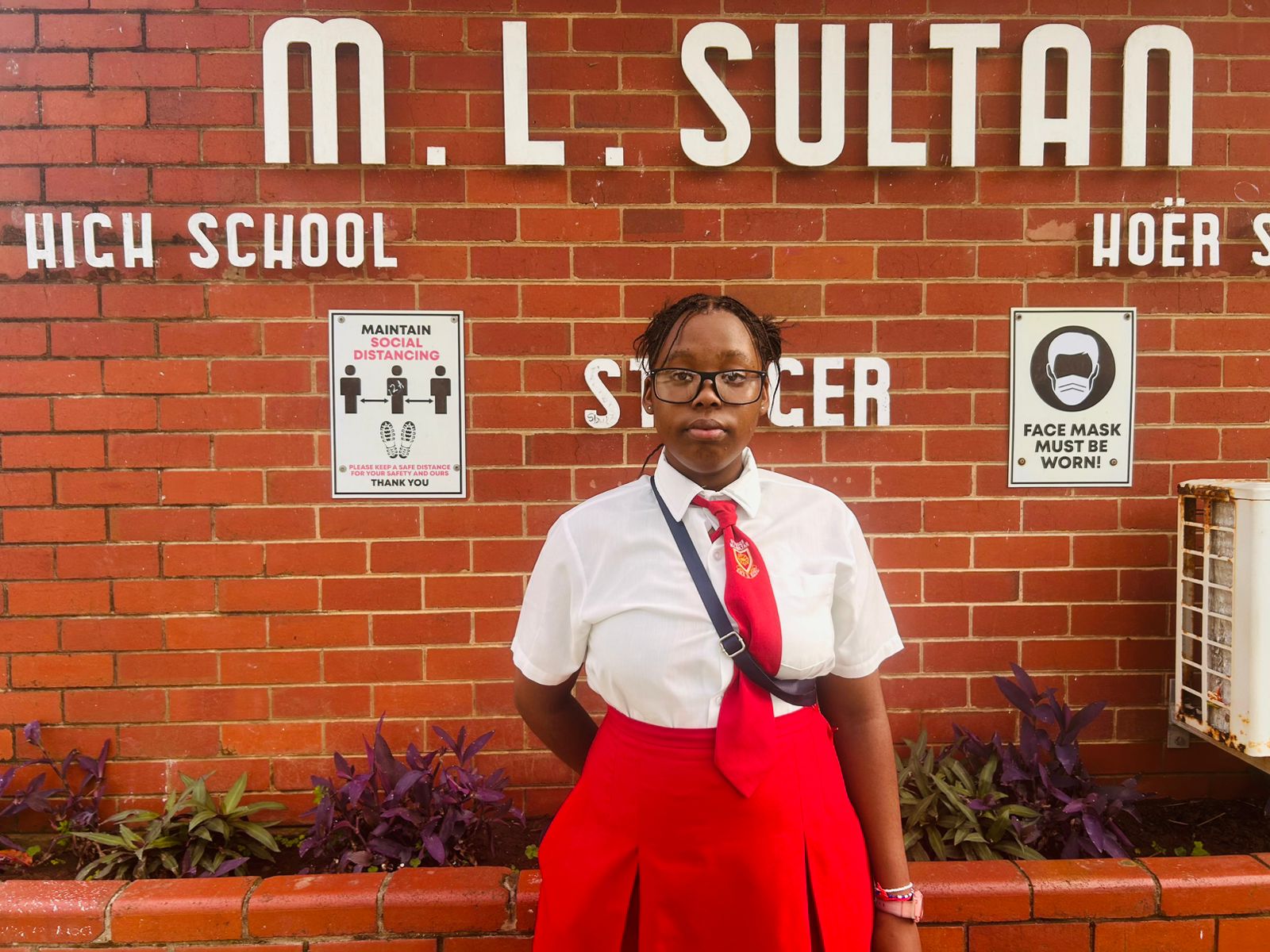
Ayanda, a Grade 10 learner, wearing her new spectacles outside Stanger ML Sultan High School
South AfricaStanger, KwaZulu-Natal, South Africa

Journey toward clearer sight and improved quality of life

Ayanda15 years oldGrade 10Stanger ML Sultan Secondary

Fifteen-year-old Ayanda, a grade 10 learner at Stanger ML Sultan Secondary, recently experienced something many of us take for granted — her very first eye test.

When the African Eye Institute optometry team visited her school, Ayanda was both curious and hopeful. The experience left her feeling good and reassured, especially when she learned that her vision challenges could be easily corrected.

Receiving her first pair of spectacles was a turning point. Ayanda immediately loved wearing them — not only because they look nice, but because they help her see clearly. In the classroom, the difference was instant and meaningful. She can now see the board, follow lessons with ease, and participate more confidently in her learning. Tasks that once required extra effort have become simpler, allowing her to focus and keep up with her schoolwork.

Outside the classroom, Ayanda says her spectacles give her a new sense of confidence. Being able to see clearly helps her feel more secure and comfortable in her surroundings. Her friends have been encouraging, complimenting how she looks in her glasses, which has further boosted her self-esteem. At home, her parents are very happy and relieved that her vision has been addressed.

Like many children receiving spectacles for the first time, Ayanda is still adjusting to wearing them daily. This short adaptation period is a small step in a much bigger journey toward clearer sight and improved quality of life.

Her teacher, Ms Hlotshwa, has observed a significant change. With her vision corrected, Ayanda is now better able to see the board, read her books, and concentrate on tasks. Her attention and classroom engagement have improved noticeably. Ms Hlotshwa describes the overall impact on Ayanda's academic performance and personal life as profoundly positive.

Reflecting on the OSaaT program, Ms Hlotshwa shared that it is making a meaningful difference in the lives of learners and described it as an important initiative that should continue to reach more children.

Conclusion

This life-changing support was made possible through the generous funding of Optometry Giving Sight and OneSight EssilorLuxottica.

Kulsoom, a young girl wearing glasses and a patterned headscarf, standing in a doorway
PakistanDistrict Jamshoro, Sindh, Pakistan

A Story of Life Change — From a Blurred to a Bright World

Kulsoom14 years oldGrade 7

A project team, working under One School at a Time — a school eye health program, planned to conduct vision screening at a local school in the project intervention district. During the screening, it was observed that a young 14-year-old girl, Kulsoom, a student of 7th grade, was struggling to see the blackboard, often squeezing her eyes in an attempt to focus.

The teacher noticed her difficulty and referred her to the screening team. Upon initial assessment, Kulsoom was found to have severe visual impairment, with vision worse than 6/60.

She was then taken to a triage room temporarily set up within the school, equipped with proper lighting for examinations. However, Kulsoom appeared shy and hesitant, even resisting the examination at first. With gentle encouragement from her teacher, she finally agreed to proceed.

The clinical examination revealed that her anterior eye structures were normal. A refraction test using retinoscopy was then performed. To everyone's surprise, Kulsoom had a very high and complex refractive error. After careful evaluation and prescription of the correct lens power for both eyes (RE +6.00 spherical, -4.00-cylinder, 180 axis and LE +6.00 spherical, -4.00-cylinder, 180 axis), her vision improved dramatically reaching 6/6 (20/20).

Since receiving her glasses, Kulsoom has shown a remarkable transformation. Her confidence has grown, she actively participates in class, and she can now focus on her studies. Her happiness and renewed enthusiasm for learning clearly demonstrate the life-changing impact of early detection and proper eye care.

"I used to think the whole world was blurry and that everyone saw the same way I did. But after wearing glasses, my world has changed from blurred to bright. Now I can see my classmates and the blackboard clearly, and I am no longer shy about wearing my glasses."
Kulsoom
Conclusion

This story highlights the urgent need to increase awareness within communities about the importance of early vision screening for children. It also emphasizes the importance of reducing barriers to the acceptance and regular use of spectacles, ensuring that every child has the opportunity to see clearly and thrive. The project is being implemented by Berkeley Vision and CBM Pakistan with generous support from Optometry Giving Sight.

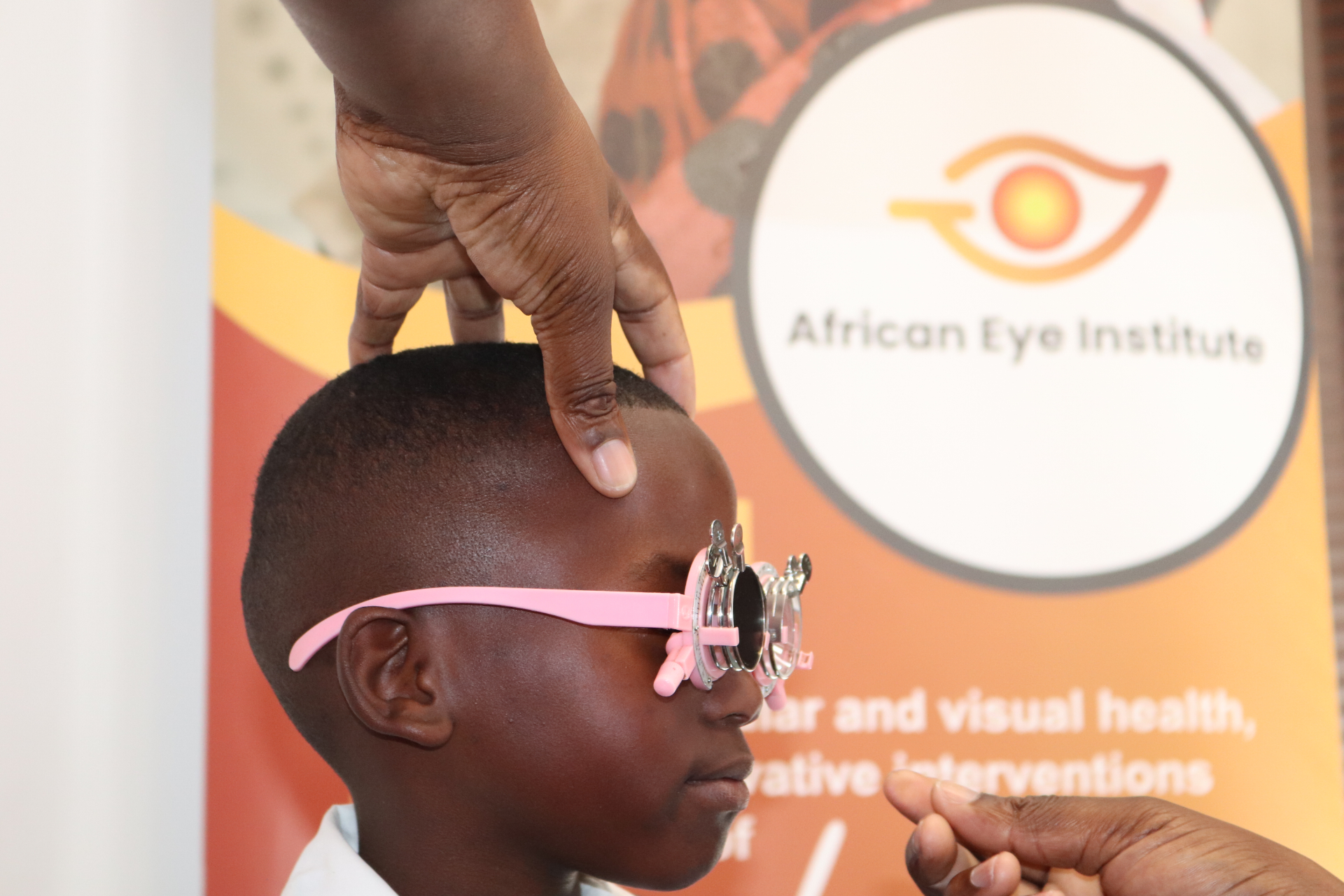
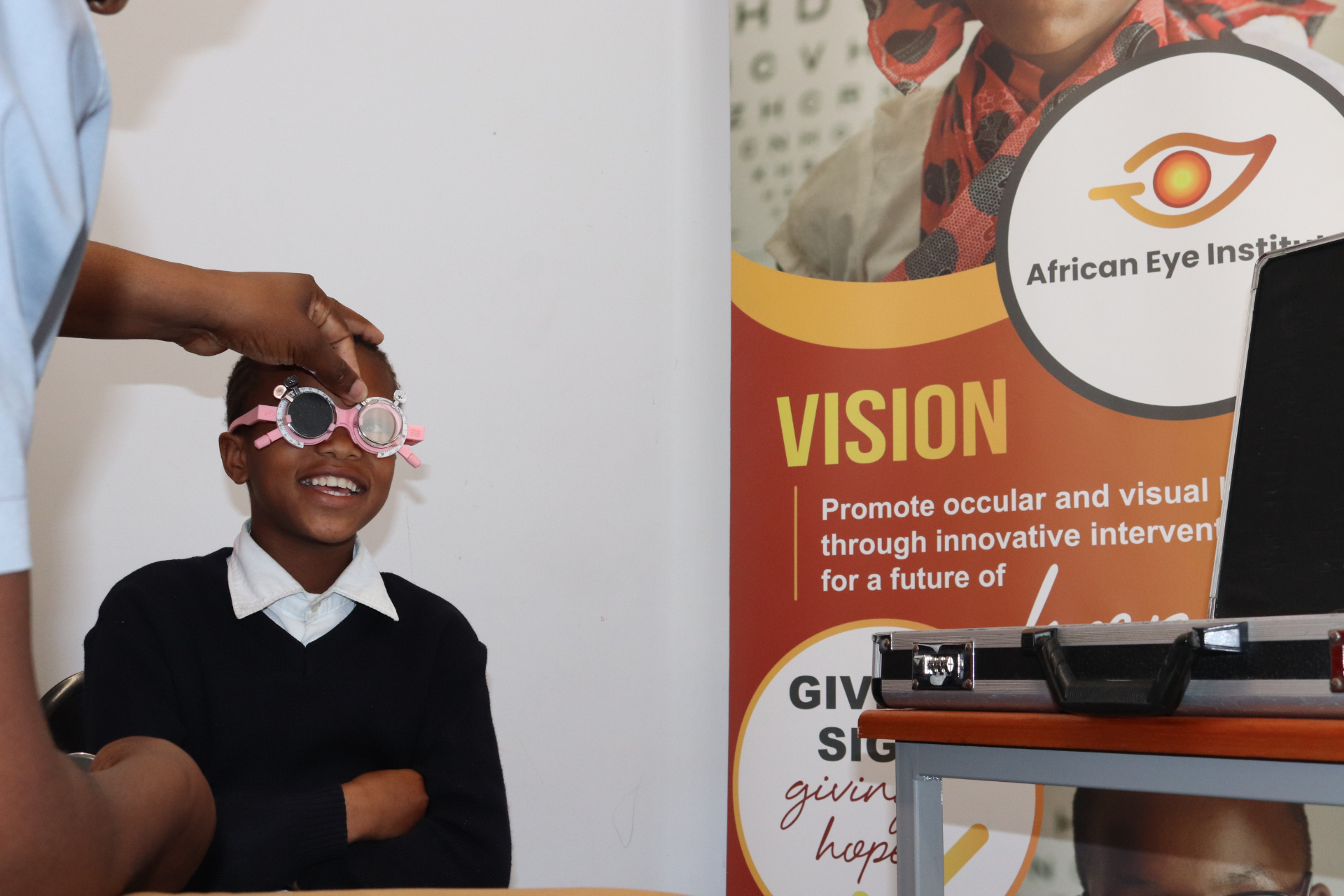
A learner from Umyezo Wama Apile Primary smiling while wearing a pink trial frame, with the African Eye Institute banner in the background
South AfricaGrabouw, Western Cape, South Africa

Umyezo Wama Apile Primary School, Grabouw — One School at a Time (OSaaT) in Action

Umyezo Wama Apile Primary School

For children living in rural and underserved areas, accessing basic healthcare is often a significant challenge — particularly specialised services like eye care. In Grabouw, Western Cape, where public hospitals and clinics offering eye health services are located far away, many learners are left without support, resulting in avoidable barriers to learning.

AEI's implementation partner, Eye Save Optometrists, led by Marwaan Meintjies, screened and examined learners on-site. The results underscored an urgent need for intervention:

This high prevalence of uncorrected refractive error confirmed that many children had been struggling silently with vision challenges that hinder their learning and development.

When the optometry team returned to dispense spectacles, Marwaan shared the joy of seeing children experience clear vision, many for the first time in their lives.

For the learners of Umyezo Wama Apile Primary, OSaaT has not only improved eyesight — it has opened doors to better learning, greater confidence, and brighter futures. With continued support, AEI and OGS together with OSaaT partners OneSight EssilorLuxottica, Berkeley Vision and CooperVision aim to ensure that no child is left behind simply because they cannot see.

117
children failed initial visual acuity screening
100%
of those underwent full eye examinations
62 (57%)
learners were prescribed spectacles — many with significantly high prescriptions
"Thanks to a generous grant from Optometry Giving Sight (OGS) for the 2025–2026 operational year, the African Eye Institute (AEI) was able to bring its optometry driven One School at a Time (OSaaT) outreach clinic to Umyezo Wama Apile Primary School."
Nad Ramsarup, Head of Programmes, AEI
"The learners at our school come from extremely poor families. We were aware that many of our children struggled to learn because of their eyesight. Public hospitals are very far from where the school is located, and families simply cannot afford transport. OSaaT has brought hope to our children."
Ms Malimba, educator responsible for learner health
A learner undergoes a refraction test using a trial frame during an AEI–OGS funded outreach clinic at Umyezo Wama Apile Primary
Conclusion

Made possible by Optometry Giving Sight (OGS), with OSaaT partners OneSight EssilorLuxottica, Berkeley Vision and CooperVision.

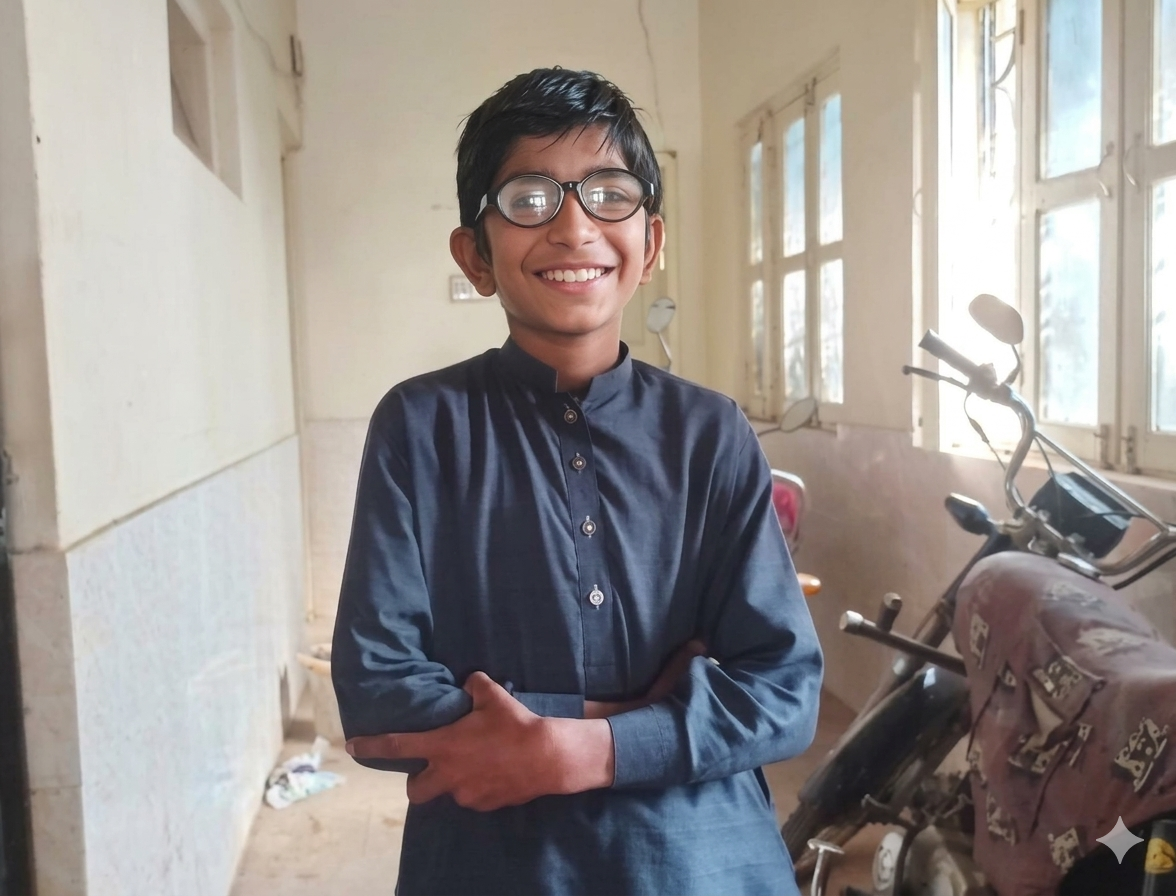
Asad, a young boy wearing glasses, smiling indoors
PakistanJamshoro, Sindh, Pakistan

A Clearer Path to Learning

Asad13 years oldGrade 6

A project team, working under One School at a Time — a school eye health program, planned to conduct a vision screening at a local school in the project area of Jamshoro, Sindh, Pakistan.

During the screening, it was observed that a 13-year-old boy from grade 6, Asad, did not meet the required visual acuity standards and failed the initial vision screening, indicating a potential vision problem. Asad was promptly referred to an optometrist at the triage room temporarily set up within the school, for further assessment. A comprehensive eye examination confirmed that Asad was experiencing distance vision impairment, which was affecting his ability to see the classroom board clearly and fully engage in his studies.

Based on the examination and refraction test, Asad was prescribed the correct lens power (RE -4.50 spherical, -2.50-cylinder, 160 axis and LE -3.00 spherical, -1.5-cylinder, 100 axis) which improved his vision to 6/6 (20/20).

Since receiving his glasses, Asad has shown a visible improvement in confidence and comfort. He can now see clearly, participate actively in class, and focus on his studies. His happiness and renewed enthusiasm for learning reflect the impact of early detection and quality eye care.

Conclusion

Asad's story highlights the effectiveness of the OSaaT project in identifying vision issues at an early stage and ensuring appropriate, child-friendly interventions. It also highlights the need to increase awareness within communities about the importance of early vision screening for children, emphasizing the importance of reducing barriers to the acceptance and regular use of spectacles, ensuring that every child has the opportunity to see clearly and thrive. The project is being implemented by Berkeley Vision and CBM Pakistan with generous support from Optometry Giving Sight.

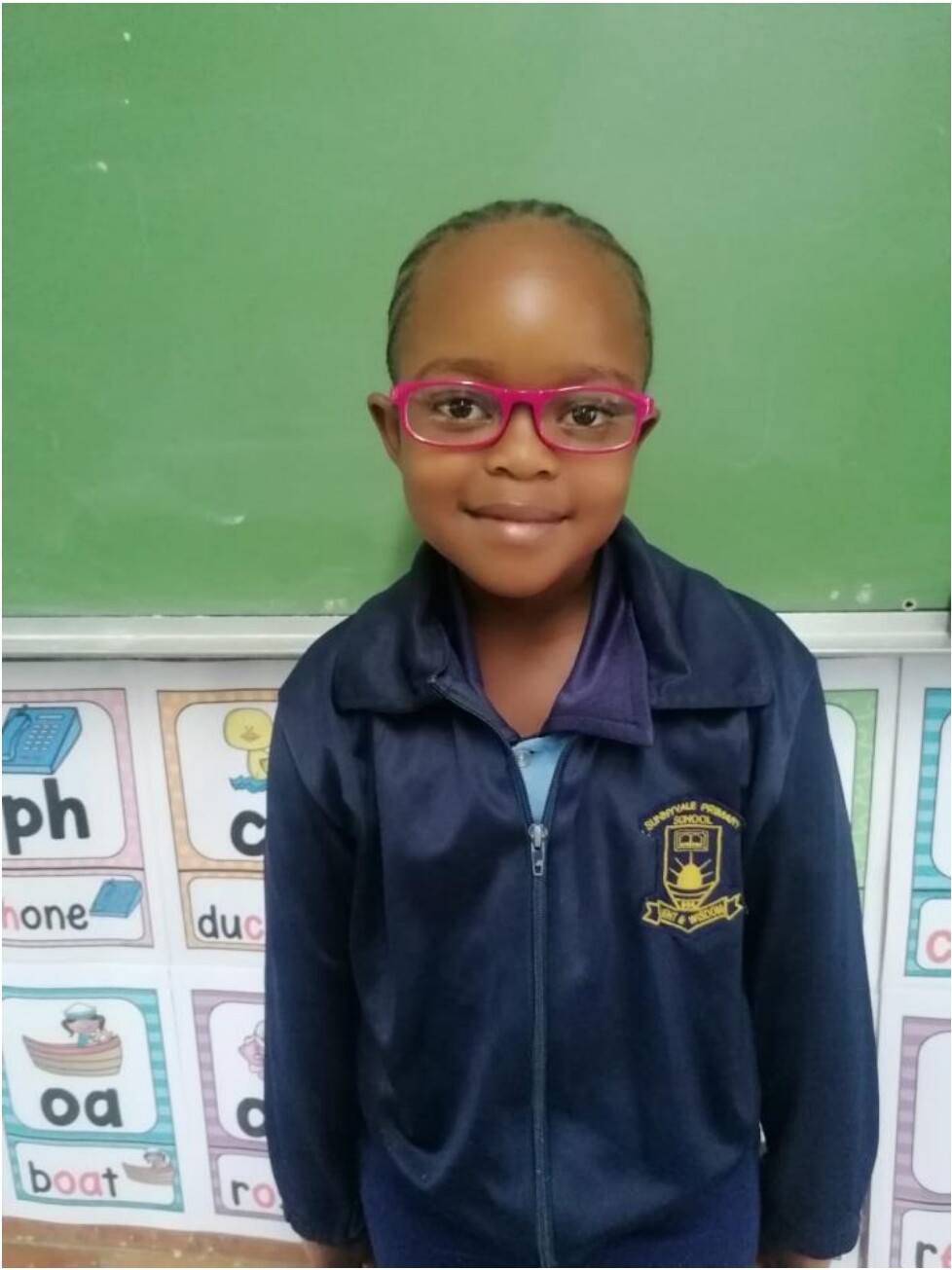
Syamthanda, a young girl wearing pink glasses and her Sunnyvale Primary uniform, smiling in front of a classroom chalkboard
South AfricaSunnyvale Primary School, KwaZulu-Natal, South Africa

Syamthanda, Sunnyvale Primary School

Syamthanda7 years oldSunnyvale Primary School

The One School at a Time Programme has transformed Syamthanda's life, a bright seven-year-old at Sunnyvale Primary, KwaZulu-Natal, South Africa. Before the screening, she struggled in class, often squinting and falling behind. Like many children, she had never had an eye exam and didn't realize poor vision was holding her back.

Her first eye test brought excitement and hope. Once she received her spectacles, the difference was immediate — she participated more, read confidently, and completed assignments with ease. Her teacher, Miss J. Pillay, saw a remarkable improvement in her academics.

At home, her parents were thrilled to see her reading, and her classmates admired her glasses, boosting her confidence. Unlike some children, she adjusted easily, viewing them as an empowering tool.

For families like Syamthanda's, vision care is often unaffordable. Miss Pillay expressed gratitude to the African Eye Institute and its programme donors for making a vital difference. Syamthanda's story shows how a simple pair of glasses can unlock potential, proving that access to basic healthcare creates lasting change, one child and one school at a time.

Conclusion

Delivered by the African Eye Institute through the One School at a Time Programme, with thanks to its programme donors.

Coming Next

More stories from across our country programs will be added as they are received from the field.